News
SS-31|CAS:736992-21-5
CAS 736992-21-5 stands for Elamipretide (also known as SS-31). The tetrapeptide with the sequence H-D-Arg-Dmt-Lys-Phe-NH2 requires much higher quality control data than typical small molecules. The Hong Kong Peptide Testing Laboratory uses this variety as an example to illustrate the complete pathway of peptide testing.
Three technical difficulties of a tetrapeptide
The molecular formula of this variety is C32H49N9O5, with a molecular weight of 639.79. It contains two non-standard residues, D-arginine and 2,6-dimethyl-L-tyrosine (Dmt), with an amide at the C-terminus.
Configuration differences do not change molecular weight: D/L isomers are mirror images of each other and require chiral derivatization or chiral chromatography for determination.
Non natural residues exceed the conventional amino acid spectrum: Dmt and D-Arg are not among the common 20 amino acids, and composition analysis requires adjustment of pre-treatment.
Counter ions and moisture are routine control items: acetate peptide salts require additional measurement of acetate ions, moisture, and peptide content.
From identification to security: detection capability covers the entire chain
Identification and sequence confirmation: High resolution liquid chromatography-mass spectrometry is used to deduce the sequence of fragment ions, MALDI-TOF is used to verify the molecular weight, Edman degradation is used to read the N-terminal sequence, and amino acid composition analysis is used to verify the proportion.
Purity and related substances: Reverse phase high performance liquid chromatography provides peak purity and impurity spectra using area normalization method, ion exchange chromatography analyzes charge heterogeneity, and molecular exclusion chromatography monitors aggregates.
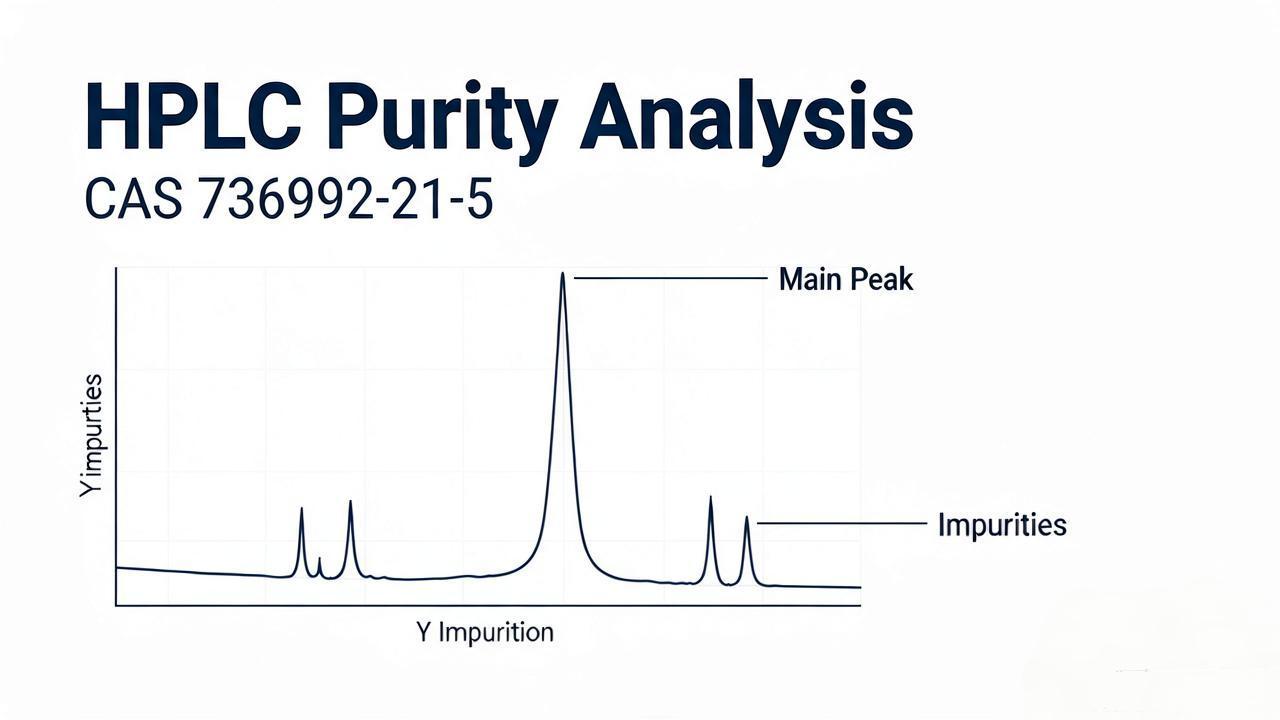
Content and physical and chemical indicators: external standard method for content determination by high-performance liquid chromatography, ion chromatography for acetate radical determination, Karl Fischer method for moisture determination.
Safety indicators: microbial limits, bacterial endotoxins, and sterility testing.
Methodology confirms specificity, linearity, precision, and quantification limits according to ICH Q2; Stability studies cover both forced degradation and long-term, accelerated investigations. The criteria for judgment include ICH Q6B and the current version of the Chinese Pharmacopoeia (to be implemented from October 2025).
Visitable laboratory: Open the data link to the client
The laboratory will receive visits from clients based on the principle of openness.
1. Sample receiving area: registration, status identification, and sample retention records.
2. Pre processing and weighing area: One hundred thousandth scale, clean operating table, and dissolution process.
3. Instrument analysis area: liquid chromatography
4. Stability assessment period: Temperature and humidity monitoring records under long-term and accelerated conditions.
5. Data processing and review area: Original electronic records, audit tracking, and report review.
On site verifiable instrument calibration and periodic verification records, standard traceability and capability verification.
Division of labor between doctoral and professor level experts
The team is divided into method development, method validation, instrument analysis, and data review, with experts with doctoral degrees and professor backgrounds responsible for technical review and difficult result determination.
-The method development team is responsible for establishing new methods and addressing special issues such as chiral isomers and non natural residues.
-The method validation team completes the validation plan and data evaluation, so that the results can be used for registration and application.
-The expert team participates in method transfer, capability verification, and technical discussions, and explains the applicable boundaries of the results.
The testing report is applicable for scientific research, registration application, and quality control, and does not constitute a clinical validity conclusion.